

 3 min read
Consumer research is evolving quickly. New technologies, shifting consumer expectations, and increased pressure on insights teams to move faster are reshaping how research gets done.
But one way to understand where the industry is headed is simple: look at what researchers are actually reading.
Across the SightX Content Hub in Q1, a few clear themes emerged based on the content insights leaders engaged with most. From deeper consumer understanding to the growing role of AI in analysis, these topics reflect the challenges and opportunities facing modern insights teams.
Here are four areas continuing to shape consumer research.
Moving Beyond Demographics to Understand the "Why"
As markets become more competitive, understanding who your customer is simply isn’t enough. Organizations increasingly need to understand why consumers behave the way they do.
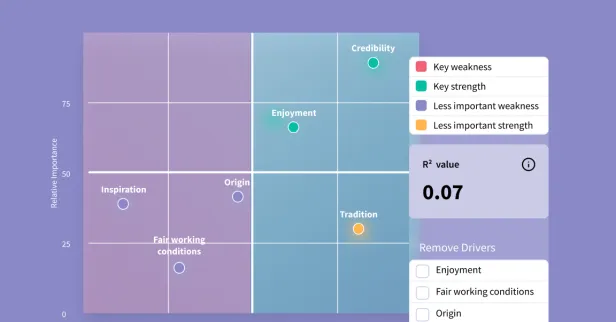
That’s why research approaches like psychographic analysis and behavioral questioning continue to gain traction. By exploring attitudes, motivations, and lifestyle drivers, brands can uncover the deeper forces shaping purchase decisions.
Two of the most-read posts this quarter focused on exactly that:
- Psychographic Survey Questions for Deeper Insights
- Consumer Behavior Questions to Ask Your Target Market
Together, they reflect a broader shift: insights teams are looking for ways to capture richer context around consumer decision-making, not just surface-level data.
Pricing Strategy Remains a Top Research Priority
Pricing continues to be one of the most impactful and complex areas where research can drive business outcomes.
In an environment shaped by inflation pressures, evolving consumer expectations, and new competitive dynamics, brands are under increasing pressure to find the right price point.
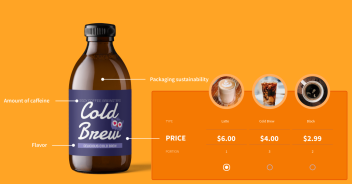
That’s why pricing research methods continue to be a major area of interest for insights teams. Techniques like Van Westendorp, Gabor-Granger, and conjoint analysis allow researchers to measure willingness to pay and understand how price changes influence demand.
One of the most engaged pieces this quarter explored the most commonly used approaches: Pricing Analysis Methods
For many organizations, pricing research is no longer an occasional exercise. It’s becoming an ongoing strategic capability.
AI Is Becoming Part of the Research Workflow
Artificial intelligence is rapidly reshaping how insights teams work. Rather than replacing researchers, AI is increasingly being used to accelerate analysis and uncover patterns in large datasets.
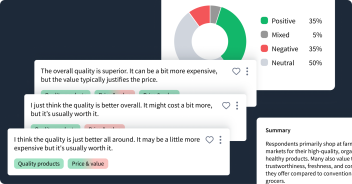
One of the areas seeing the fastest adoption is the analysis of open-ended survey responses and qualitative feedback. Traditionally, reviewing large volumes of text responses required hours of manual coding and categorization. AI-powered tools can now analyze that data in minutes, helping teams move from data collection to insights faster.
Two popular posts this quarter explored how AI is being integrated into research workflows:
- Introducing AI-Powered Open-Ended Text Analysis: Faster Insights from Qualitative Data
- Top AI Market Research Tools
As the technology matures, the most effective research teams will likely be those that combine human expertise, high-quality data, and AI-powered analysis.
Strong Research Foundations Still Matter
Even as new tools and technologies emerge, the fundamentals of research remain essential.
Understanding core concepts continues to be critical for designing rigorous studies and interpreting results accurately.
At the same time, researchers are evaluating the growing ecosystem of tools that support specialized research needs, from ad testing to brand measurement.
Two widely read posts this quarter addressed these foundational areas:
The takeaway is clear: while the tools and technologies supporting research may evolve, strong methodology remains the backbone of effective insights.
The Future of Consumer Research
Taken together, these themes highlight the direction consumer research is heading.
Insights teams are being asked to move faster, deliver deeper understanding of consumer behavior, and incorporate new technologies into their workflows, all while maintaining methodological rigor.
The organizations that succeed will be those that balance strategic thinking, high-quality data, and the right technology stack to transform information into actionable insights.
As the industry continues to evolve, one thing remains constant: the need for research that helps businesses make smarter, faster decisions.
Share this post